
Australia's Top 100 Schools: What the Rankings Really Mean for Your Child
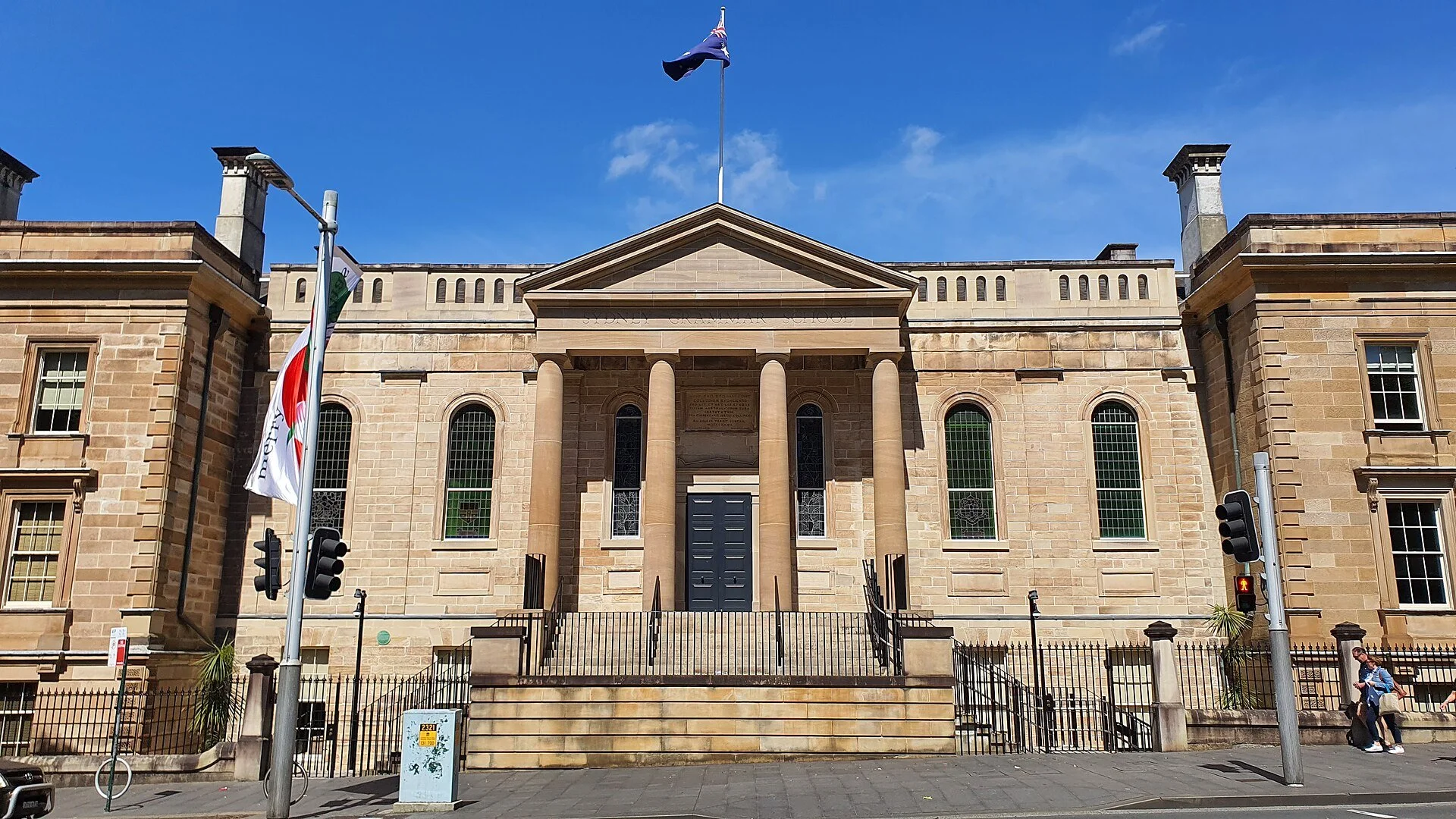
Sydney Grammar School has taken the top spot in the News Corp Top 100 Schools list for the second year running, and NSW schools claimed six of the national top ten. If you're weighing up the best schools in Sydney for your child, or comparing the best schools in Australia more broadly, that's a useful place to start.
Here's some further insight into the rankings and how to determine the best school for your child.
Key Insights
Australia's Top 100 Schools list is built from more than 20 metrics, including NAPLAN, Year 12 results, student-teacher ratios, attendance and facilities.
Sydney Grammar ranked first nationally, with Abbotsleigh and Ascham completing NSW's top three. Six of the ten best schools in Australia are in Sydney, and Haileybury is the highest-ranked co-educational school in the country.
ICSEA is the number that often explains a school's rank better than the rank itself does.
NSW's selective public high schools offer 4,338 Year 7 places with no tuition fees, making them a great alternative to the private pathway.
Rankings measure outputs. They don't measure pastoral care, wellbeing, learning support, or whether your child will actually be happy.
What Australia's Top 100 Schools Ranking Actually Measures
The News Corp list assesses more than 1,300 schools against upwards of 20 indicators. The criteria include Year 12 academic results, Years 7 and 9 NAPLAN results, student-teacher ratios, attendance rates, and the breadth of subjects and facilities on offer.
It’s a broad mix, but it is a proprietary methodology from a media company, not a government performance measure. The weightings aren't published, so it’s impossible to see the real difference in schools based on this list alone.
There is one pattern that holds year after year, which is that single-sex schools dominate the upper end. NSW's three highest-ranked schools (Sydney Grammar, Abbotsleigh and Ascham) are all single-sex, and on the inaugural 2025 list, 18 of the top 20 were single-sex.
How School Rankings in Australia Are Built
NAPLAN
NAPLAN tests reading, writing, language conventions and numeracy in Years 3, 5, 7 and 9. It provides point-in-time information on literacy and numeracy progress and is designed to sit alongside teacher judgement. A school with strong Year 9 NAPLAN results has students who read and calculate well.
Year 12 results and top HSC schools
Year 12 results carry the most weight in the ranking and are the clearest evidence that a school can turn six years of teaching into outcomes that lead to top results, university offers, scholarships, and overseas options. Band 6 share describes the top of a cohort, but you should also ask for a school’s median ATAR and the spread beneath it to see how the middle of the year group travels as well.
ICSEA
ICSEA (the Index of Community Socio-Educational Advantage) was created by ACARA to allow fair comparisons of NAPLAN results between schools serving similar student populations. It's set at an average of 1,000 with a standard deviation of 100, drawing on parental occupation and education, school location and student background.
ICSEA is not a measure of school quality, staff performance or facilities. It measures the advantage students bring with them through the gate. Many of the best schools in Australia sit well above 1,100, which tells you about their intake as much as their teaching. A school at ICSEA 1,180 should post strong results, but the interesting question is whether it's performing above or below schools with the same ICSEA. You can check that yourself on My School, which shows each school's results against up to 60 statistically similar schools.
Student-teacher ratios and subject breadth
Ratios can help you determine how much individual attention your child might get, but they are usually school-wide averages, so they shouldn’t be used solely to compare schools. Subject breadth matters more than most parents expect, particularly if your child is heading towards specialist maths, a less common language, or the IB.
The Best Schools in Australia State by State
NSW placed 34 schools in the Top 100, Victoria 33, and Queensland 19. Most of the best schools in Sydney cluster in the eastern suburbs, the lower north shore and the upper north shore. Beyond Sydney Grammar, Abbotsleigh and Ascham, NSW's strong performers include SCEGGS Darlinghurst, PLC Sydney, Pymble Ladies' College and St Aloysius' College.
In Victoria, Haileybury leads the co-ed field, and Presbyterian Ladies' College in Burwood tops the state. Queensland's standouts include Brisbane Girls Grammar, while South Australia is led by Scotch College and the Northern Territory by Haileybury Rendall School.
Best Schools in Sydney: Private or Public?
Most rankings coverage splits these into separate articles. That's unhelpful, because plenty of families shortlisting the best schools in Sydney are choosing between a selective public place and a private one.
The private pathway buys breadth: facilities, co-curricular depth, smaller senior classes, and established alumni networks. It also costs tens of thousands of dollars per child each year, and fees rise annually. Confirm current figures with each registrar before you budget, and ask about academic scholarships and means-tested bursaries early.
The selective public pathway is academically formidable and free. NSW has 17 fully selective and 27 partially selective high schools, offering 4,338 Year 7 places statewide, with entry decided by the Selective High School Placement Test. Selective high schools don't charge attendance fees. The department also holds up to 20% of places for students from underrepresented groups through its Equity Placement Model.
What the Rankings Miss
A ranking can only include what's measured consistently across 1,300 schools. Plenty of what shapes a child's day simply doesn't fit that format, so it sits outside the table. The best schools in Australia vary widely in these areas, which makes them worth researching directly.
Pastoral care: How a school notices and responds when a student is struggling socially.
Wellbeing and workload: Academic schools differ in how they pace assessment and support students through busy terms.
Learning support and neurodiversity: Provision ranges from an in-house specialist team to referral to outside services.
Creative arts and co-curricular depth: Ensembles, productions, debating, and sport. Breadth matters enormously to some children and very little to others.
HSC or IB: The IB rewards breadth, writing and independent inquiry and is recognised in more than 150 countries; the HSC allows deeper specialisation. If you're leaning international, our guide to the best IB schools in Sydney compares results, fees and fit.
A Parent's Checklist for Choosing a School
Work through these before you shortlist:
| # | Action | What to Look For |
|---|---|---|
| 1 | Visit on an ordinary day, not just the open day | Watch how students speak to staff in the corridor |
| 2 | Check the ICSEA on My School | Compare results with statistically similar schools |
| 3 | Confirm senior subjects | Especially Higher Level maths and sciences at the level your child needs |
| 4 | Ask about learning support and wellbeing | Get specifics — staffing, ratios, and referral process |
| 5 | Map entry requirements now | Scholarship and entrance exams are often taken two years before enrolment |
| 6 | Talk to current parents | Ideally two whose children are nothing like yours |
| 7 | Take your child with you | Their read on a school is usually accurate |

Prepare Your Child For Acceptance
Once you've picked a shortlist, the work shifts to preparation. Scholarship and entrance testing at Sydney's leading schools are competitive, and the students who do well are almost always those who prepare for private school entrance exams early.
Little Geniuses offers scholarship and entrance exam tutoring tailored to the specific schools your family is targeting, with a school consultation to ensure your child is sitting for the right exams.
The best schools in Australia are not simply the ones at the top of a list. The right school is the one where your child does their best work and still wants to go on a Monday. Whichever you choose, online tutoring in Australia can help your child arrive ready and stay ahead once they're there.
Call 02 9715 1234 or register your interest to talk it through.
Find the Right Tutor for Your Child
Our tutors specialise in primary and secondary school support across Australia. From weekly sessions to intensive exam prep, we build a plan around your child's goals.
Get Started Today