
Holiday Tutoring – How to Study Effectively During the Holidays
Research shows that a large majority of elementary students lose maths knowledge during summer breaks, while only slightly less experience a decline in reading skills. For families preparing kids for selective school exams, OC entry, or HSC success, that regression can be costly. Teachers report spending 3-4 weeks re-teaching material at the start of each term, time that could be spent moving forward.
Kids who maintain some academic engagement over holidays return to school feeling capable rather than overwhelmed. They remember how to tackle challenging problems. They don't freeze when asked to write an essay or solve equations.
For parents investing in private tutoring or entrance exam tutoring for their children, holidays represent either a setback or an opportunity. The difference comes down to approach.
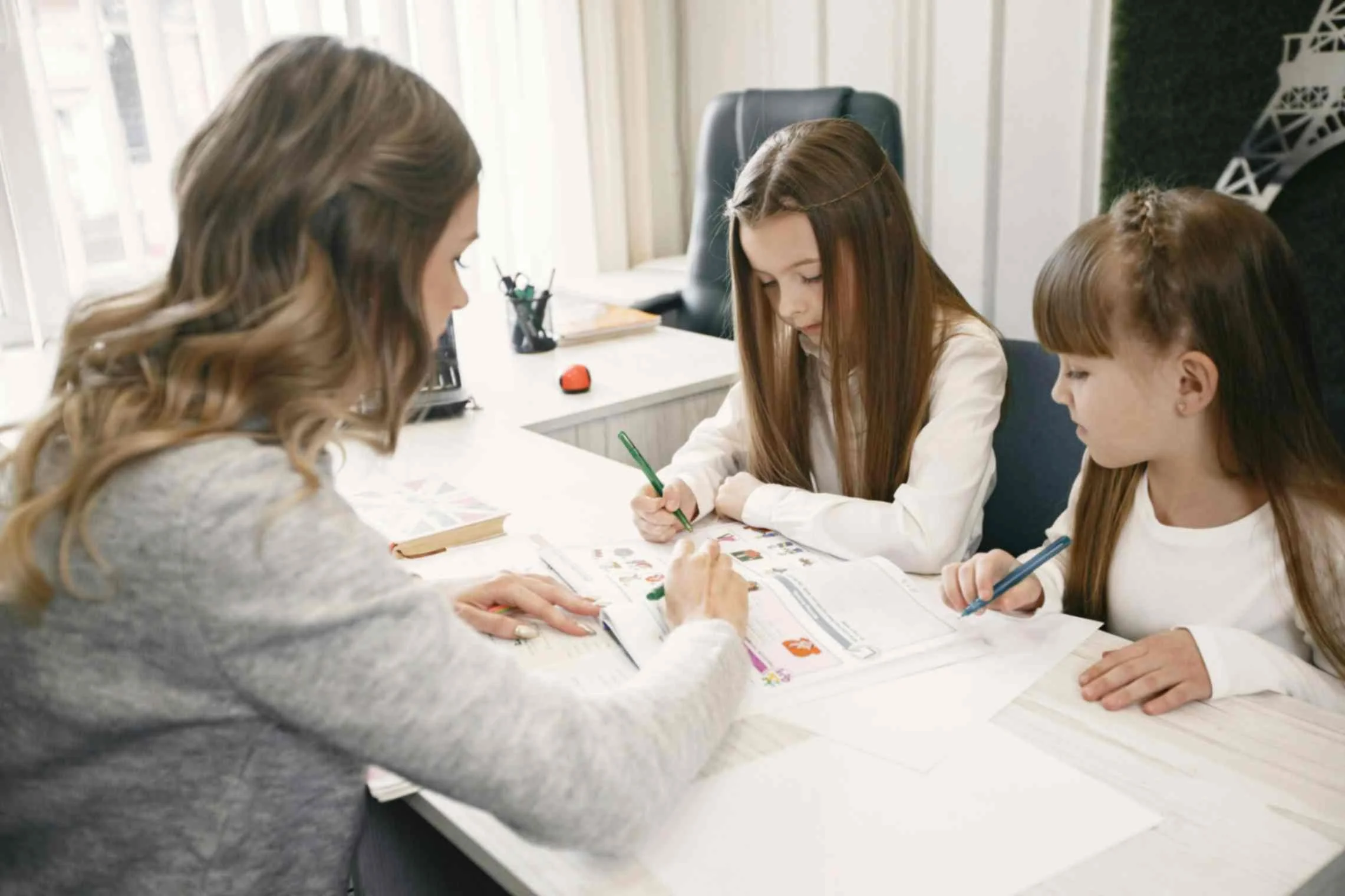
How to Study Effectively at Home During School Breaks
The 45-Minute Sweet Spot
Research on retention shows the brain works best in focused bursts. For primary school students, 30-45 minutes of concentrated study yields better results than two hours of distracted work. For high school students preparing for HSC or entrance exams, 60-90 minutes at most keeps engagement high when studying independently. Tutoring sessions are often longer than this, but include varied work and concentrated, guided focus, making distractions less likely.
Pick Your Battles – Focus on Foundations
Don't try to cover everything. Instead, identify the 2-3 areas where your child struggled most during the term. If Year 5 long division was shaky, that's your focus. If Year 11 English essay structure needs work, prioritise that. Holiday tutoring works best when it targets specific skill gaps rather than attempting broad revision.
Timing Matters More Than You Think
The biggest mistake parents make? Scheduling intensive study right after school finishes or right before Christmas. Kids need genuine downtime first.
Here's what actually works:
Weeks 1-2: Complete break. No study at all.
Weeks 3-5: Light, structured sessions 3-4 times per week.
Final week: Taper off as school approaches, focus on organisation and prep.
This rhythm respects the need for rest while preventing skill erosion from six weeks of complete academic disengagement.
Getting Kids to Actually Participate in Holiday Tutoring (The Real Challenge)
Here's the question every parent asks: "How do I get my child to agree to this without World War III breaking out?"
Fair question. Kids view holidays as freedom from school, and springing academic work on them feels like betrayal. But here's what changes the dynamic:
Frame it as getting ahead, not catching up
Instead of "You need tutoring because you struggled with maths," try "Let's knock out these tricky topics now so second term feels easier." Kids respond better to advancement than remediation.
Give them control over their schedule
Let your child choose when sessions happen. Morning person? Schedule 9 am sessions. Night owl who hits their stride after lunch? Accommodate that. Control over timing reduces resistance.
Mix methods to match personality
When it comes to choosing online tutoring vs face-to-face tutoring, the best option depends entirely on your child. Introverts often prefer online sessions from home. Extroverted kids benefit from in-person energy and social interaction with a tutor.
Make the reward intrinsic, not transactional
Don't bribe kids to study. Instead, help them see progress. After three tutoring sessions working on essay structure, have them compare their latest essay to one from early in the term. Visible improvement motivates more than promised screen time.
Expert tips to make homework fun and fast apply equally to holiday study. When learning connects to real interests – whether that's gaming statistics for maths, creative writing for English, or science experiments for physics – engagement follows naturally.

What Effective Holiday Tutoring Looks Like
Parents often ask what they should expect from holiday tutoring sessions. Here's the reality:
For Primary School Students (Years 3-6)
Sessions focus on maintaining literacy and numeracy fundamentals. A good tutor will:
Spend 60% of the time on areas where your child struggled during the term
Incorporate games, visual aids, and hands-on activities to keep it engaging
Set achievable goals so your child sees progress quickly
Keep sessions to 45 minutes maximum to match attention span
For Entrance Exam Students (Years 4-6)
Preparation for selective schools, OC, or scholarship exams requires systematic practice:
Timed papers under exam conditions
Detailed feedback on reasoning, reading comprehension, and maths
Strategy teaching – not just content, but how to approach different question types efficiently
Focus on weak areas identified through diagnostic testing
For High School and HSC or IB Students (Years 7-12)
Holiday tutoring at this level becomes more subject-specific and exam-focused:
Review of core concepts that will be built upon next term
Practice past papers with detailed marking and feedback
Essay planning and structure work for humanities subjects
Formula application and problem-solving for STEM subjects
Structured Holiday Tutoring That Works
Holidays don't need to be stressful academic battlegrounds. With the right approach, your child can maintain momentum without losing their break.
At Little Geniuses, we've refined holiday tutoring into a system that balances academic progress with the genuine need for rest. We offer personalised holiday tutoring programs for primary school, high school, HSC, IB, and entrance exam preparation across Sydney. Our experienced tutors know how to study effectively during holidays changes with age, exam goals, and individual learning styles.
Whether your child needs support maintaining skills over the break, help with how to study effectively for exams, or strategic advancement, our tutors create individualised plans that achieve results without sacrificing the fun of holidays.